Four years of engineering should build more than marks. The Vision Framework connects academics with repeated coding, real builds, technical explanation, industry exposure and visible proof of progress.

The Framework works alongside the university curriculum. It is not a second curriculum or a calendar of extra events.
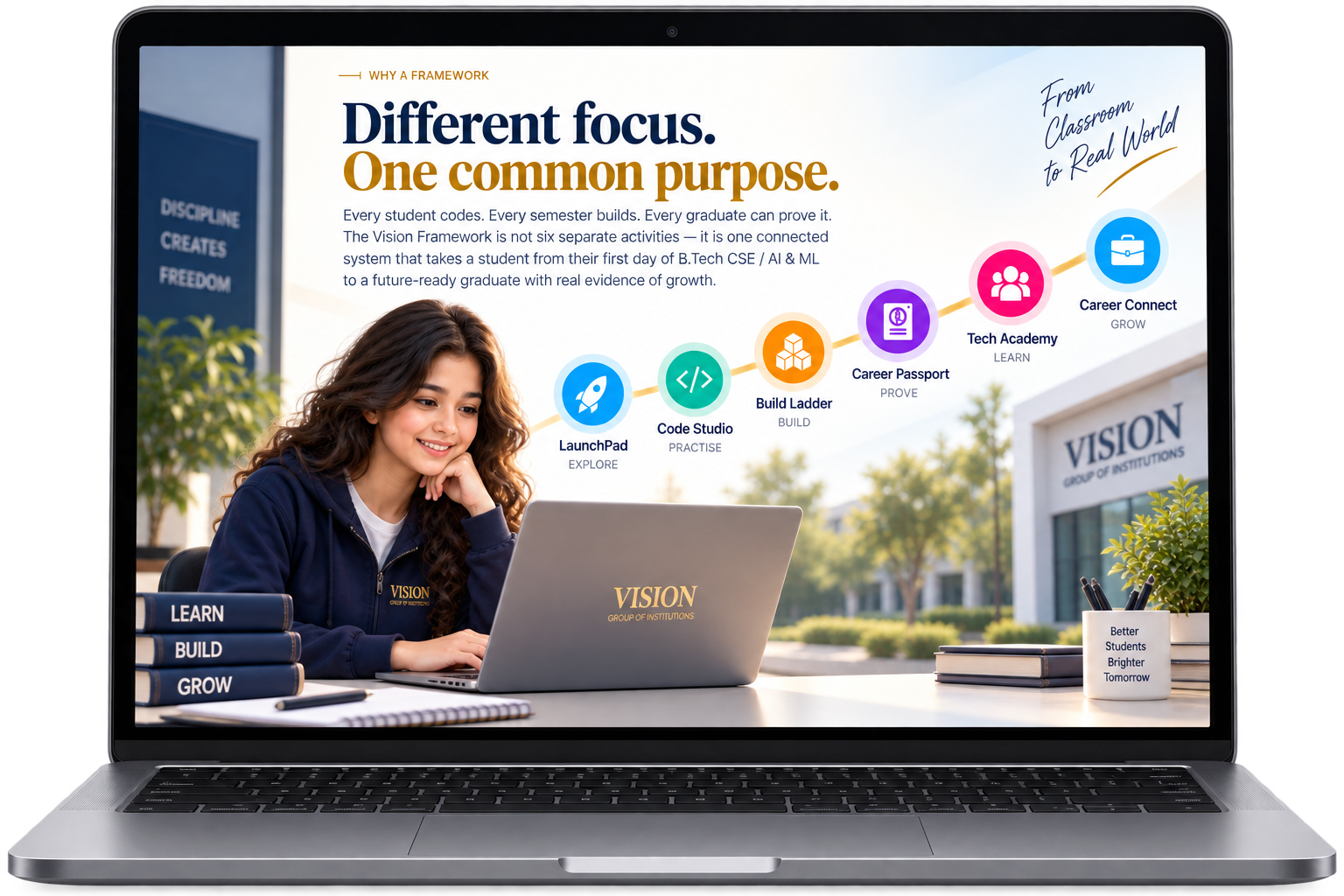
Each framework solves a different part of the student journey.
Vision B.Tech LaunchPad
Your first-year foundation for coding confidence, developer tools, AI literacy, problem solving, communication and professional habits.
Vision Code Studio
Solve → Code → Debug → Test → Explain. Recurring hands-on technical practice connected with active subjects and labs — not another lecture.
Vision Build Ladder
Students move from smaller guided builds to progressively harder projects across four years. They build, test, document and explain their own contribution.
Vision Tech Academy
A few working technology communities across coding, development, AI/data, cyber/cloud and open source. Students learn with peers, attempt challenges and extend technical work beyond normal classes.
Vision Tech Career & Industry Connect
Career direction starts before final-year placement preparation. Students connect with roles, practitioners, live problems, internships, technical interviews and employer feedback.
Vision B.Tech Career Passport
A four-year evidence record of coding, projects, technical communication, internships and career readiness. Not a certificate folder — a record of what the student can actually demonstrate.
Understand the challenge
Student starts independently
Create a visible output
Show it works and explain why
Identify what needs improvement
Correct, retry or handle a changed condition
The objective is not simply to conduct an activity. Students should produce work, understand it, receive feedback and improve it.
A clear path of increasing capability from Year I to Year IV, with real work and visible evidence.
Build the foundation
Coding, logic and problem solving; developer workspace and Git; first builds; AI literacy; explain technical work.
Move from exercises to working systems
Stronger coding; data structures/OOP/system work; Git contribution; debugging and testing; larger builds; early role awareness.
Develop technical depth
CSE/AIML specialisation; integrated projects; architecture/data/model decisions; testing and evaluation; practitioner/live problems; internship preparation.
Turn capability into career evidence
Capstone; individual contribution; deployment/testing; portfolio; technical interviews; internship/placement/higher-study transition.
Build depth across programming, algorithms, software, databases, operating systems, networks, development and deployment.
Shares the strong computing foundation, with progressively deeper work in data, machine learning, model evaluation, AI applications and responsible AI.
The Framework remains common. The technical problems, builds and evidence become increasingly branch-specific as students progress.

Can the student solve, code, debug and test?
Can the student turn a problem into a working output?
Can the student explain choices, constraints, errors and improvements?
Can the student show credible work connected with a realistic role?
Real Kanpur student work and outputs from across the Vision B.Tech Frameworks.
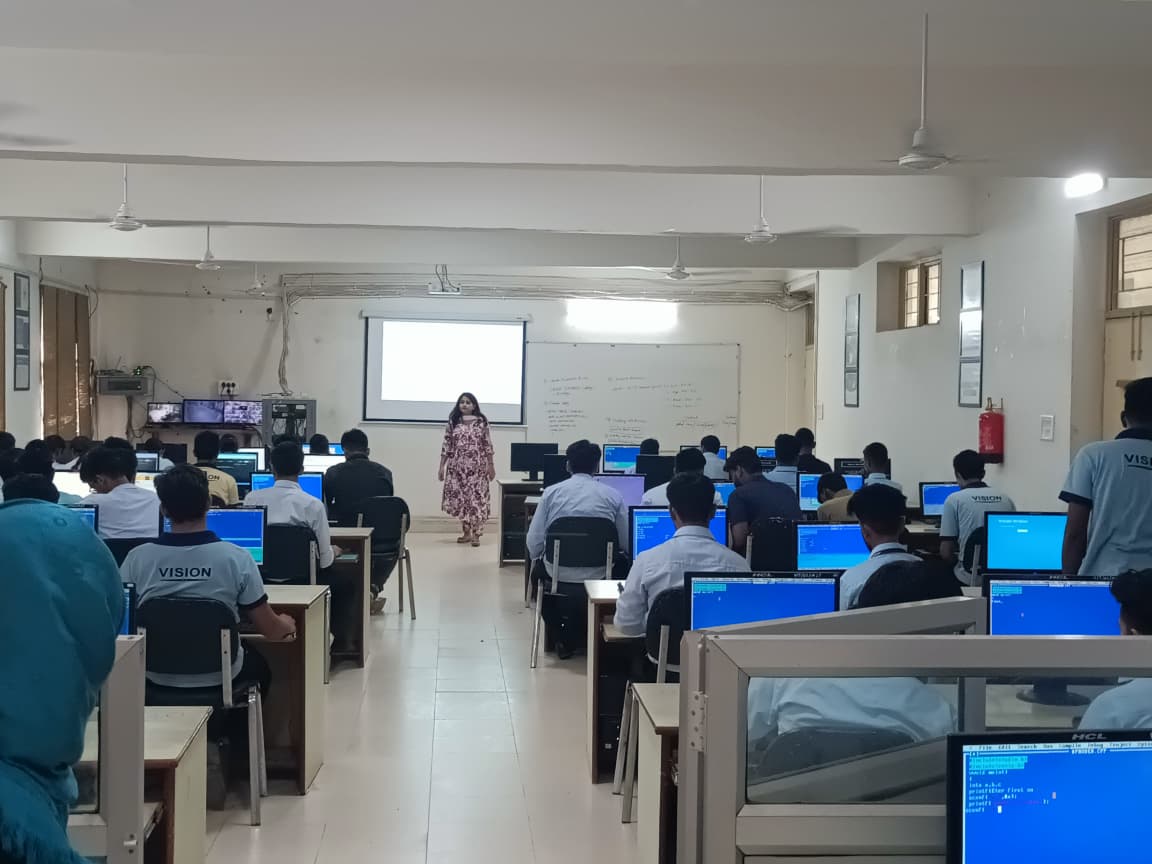
Student solves a set problem, writes and tests the code, then explains the approach.
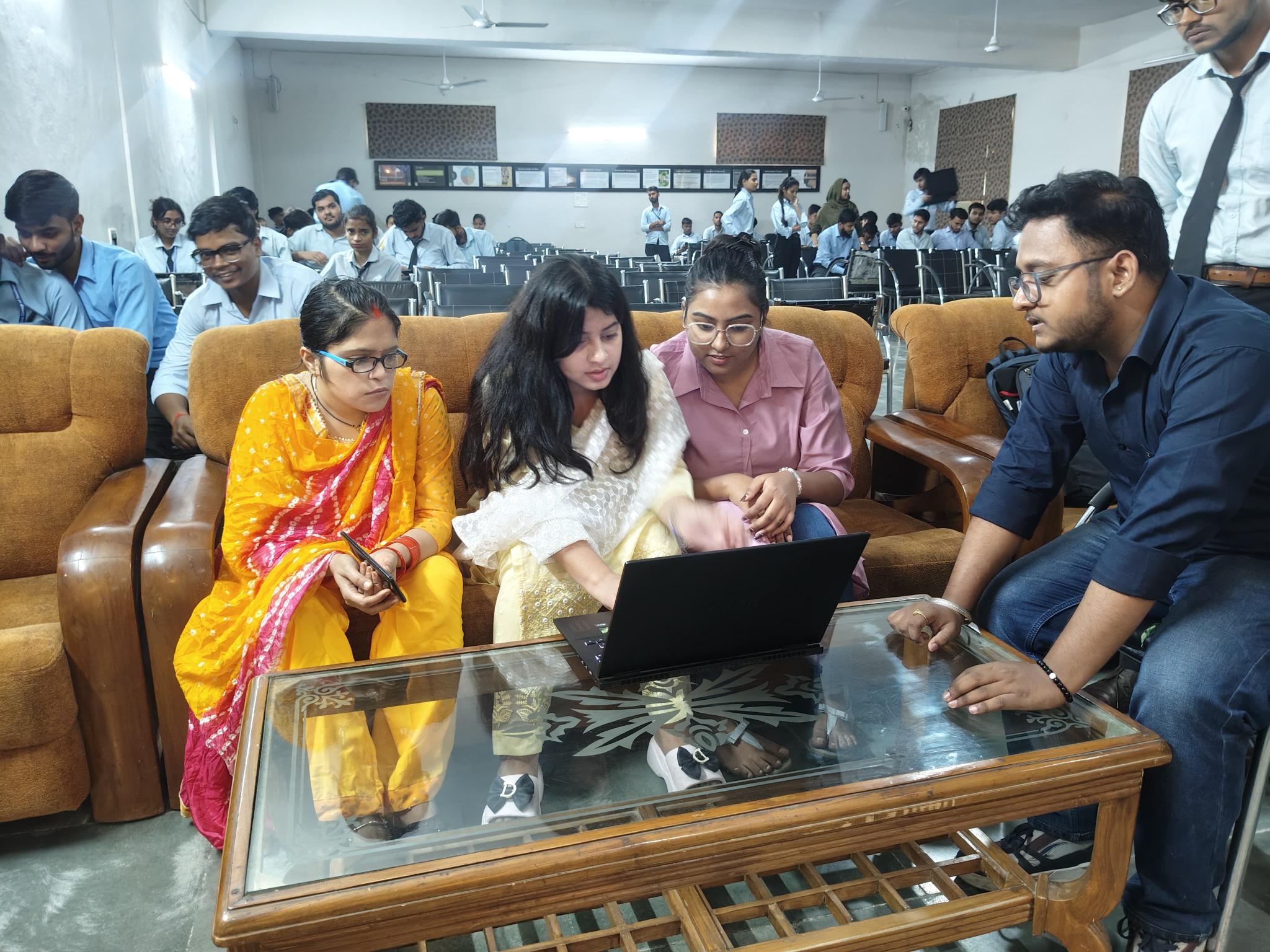
Student presents a working build and explains their individual contribution.
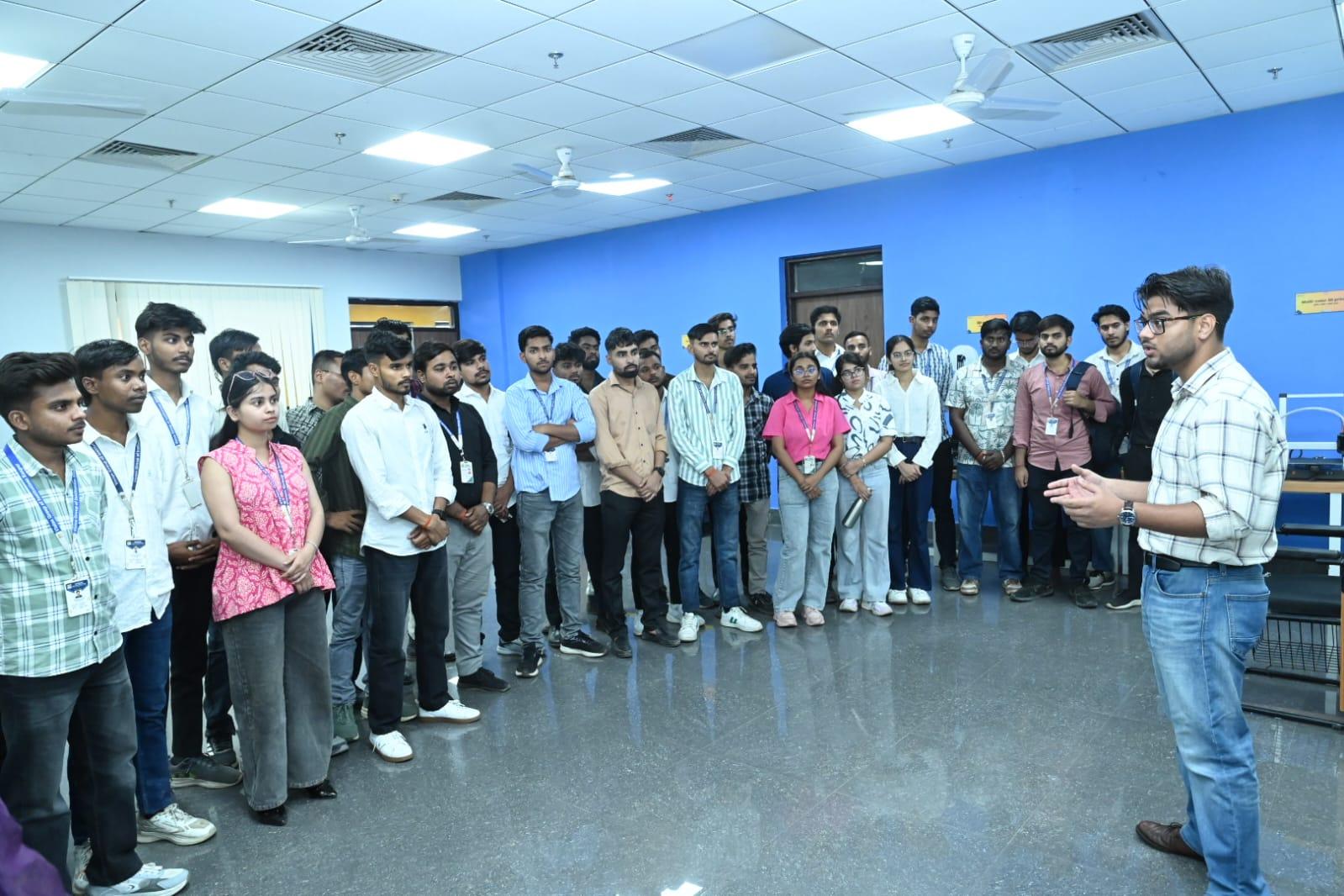
Student takes part in a coding or technical community challenge outside class hours.
A degree tells you what a student studied. The Vision Framework is designed to make visible what the student can actually do.
Submit your interest and the admission team will guide you.