- Program Overview
- Program Highlights
- What is BTech Electrical & Electronics Engineering about?
- Why Study BTech Electrical & Electronics Engineering course?
- Curriculum
- Job Prospects
- Research Opportunities
The B.Tech program in Electrical & Electronics Engineering offered by Vision Institute of Technology is an advanced course that offers a holistic education in electrical and electronics engineering. This program is approved by AICTE, providing students with practical experience and training in a broad range of topics such as power generation, transmission, distribution, control systems, electronics, and communication systems, among others. After completing this program, graduates will receive a specialized B.Tech degree in Electrical & Electronics Engineering, widely recognized by prominent employers and academic institutions worldwide.
Program Overview
combines the principles of electrical and electronics engineering. This program is designed to equip students with the knowledge, skills, and practical experience needed to succeed in the rapidly growing field of electrical & electronics engineering.
The program is approved by the All India Council for Technical Education (AICTE) and is affiliated with Dr. A.P.J. Abdul Kalam Technical University, Lucknow. Over the course of four years, students will be immersed in a rigorous curriculum that covers a wide range of topics, including electrical circuits, power systems, control systems, and communication engineering.
The work of electrical and electronics engineers touches nearly every aspect of our lives, from the lights we turn on in the morning to the computers we use at night.
The program also includes practical training in electrical and electronics engineering technologies and tools, which enables students to develop their skills and knowledge through hands-on experience. On completion of the program, students will receive a specialized B.Tech degree in Electrical & Electronics Engineering, which is recognized by leading employers and academic institutions worldwide for its excellence in electrical & electronics engineering.
Program Highlights
The Bachelor of Technology (B.Tech) program in Electrical & Electronics Engineering offered by Vision Institute of Technology is an innovative program that equips students with the knowledge and skills necessary to become experts in the field of Electrical & Electronics Engineering. Graduates of this program have a competitive advantage in the job market and are in high demand in a variety of industries. They possess the technical expertise to design, develop, and deploy Electrical & Electronics-based solutions to address complex business challenges.
One unique feature of this program is its interdisciplinary approach, which integrates mathematics, physics, electronics, and computer science with practical applications of Electrical & Electronics Engineering. This approach enables students to develop a deep understanding of the theoretical foundations of Electrical & Electronics Engineering and the practical skills necessary to implement these technologies in real-world settings. Students also have access to cutting-edge technologies and software tools used in the industry, which enables them to work on practical projects and gain hands-on experience.
The B.Tech program in Electrical & Electronics Engineering offered by Vision Institute of Technology is recognized by several organizations such as the All India Council for Technical Education (AICTE) and Dr. A.P.J. Abdul Kalam Technical University, Lucknow. The program’s curriculum is regularly reviewed and updated to align with the latest industry trends and standards. This accreditation ensures that graduates of this program meet the highest academic and professional standards in the field of Electrical & Electronics Engineering.
Technology will not replace great engineers but great engineers who use technology will.
What is BTech Electrical & Electronics Engineering Engineering about?
The B.Tech program in Electrical & Electronics Engineering offered by the Vision Institute of Technology is a comprehensive four-year undergraduate program designed to provide students with a strong foundation in electrical and electronics engineering principles and practices. The program emphasizes the development of practical skills and theoretical knowledge in the field, enabling students to become experts in designing and developing electrical-based systems. The program also provides students with a strong foundation in mathematics, physics, and computer science, which are essential for the development of electrical-based solutions.
Throughout the program, students will learn various electrical and electronics engineering principles, including circuit analysis and design, digital electronics, power electronics, communication systems, and control systems. The program also includes hands-on training in various technologies and tools used in the industry, such as MATLAB, PSpice, Multisim, and LabVIEW. Graduates of the program will be well-equipped to pursue careers in a variety of industries, such as power systems, renewable energy, telecommunications, automation, and robotics, among others, as electrical-based solutions continue to revolutionize these sectors.
Why Study BTech Electrical & Electronics Engineering Engineering course?
The B.Tech program in Electrical & Electronics Engineering offered by Vision Institute of Technology is affiliated with Dr. A.P.J. Abdul Kalam Technical University, Lucknow, and follows the curriculum prescribed by the university. The program is designed under the guidance of the All India Council for Technical Education (AICTE) and the University Grants Commission (UGC), ensuring that it meets industry standards and provides students with the latest knowledge and skills in the field.
There are several compelling reasons to study B.Tech in Electrical & Electronics Engineering. Firstly, electrical & electronics engineering is a diverse field that involves the design, development, and maintenance of electrical and electronic systems. It has a wide range of applications, including power generation, communications, control systems, robotics, and automation. Pursuing a B.Tech in Electrical & Electronics Engineering provides students with the necessary skills and knowledge to succeed in this field.
Secondly, electrical & electronics engineering is a highly interdisciplinary field that requires a strong foundation in mathematics, physics, and engineering principles. By pursuing a B.Tech in Electrical & Electronics Engineering, students gain a well-rounded education that prepares them for a variety of careers. The program also provides students with opportunities for hands-on learning and practical applications of electrical and electronic systems, which are essential for success in this field.
Electrical and electronics engineering are the backbone of modern society, powering everything from homes and businesses to transportation and communication
Pursuing a B.Tech in Electrical & Electronics Engineering can lead to a fulfilling and lucrative career. Graduates of the program are in high demand and can pursue careers as electrical engineers, electronics engineers, power systems engineers, automation engineers, and more. These careers offer competitive salaries, opportunities for growth, and the ability to make a significant impact on society through the development of innovative electrical and electronic systems. We can definitely say that pursuing a B.Tech in Electrical & Electronics Engineering is an excellent choice for students interested in creating a better future for society and the environment.
Curriculum
Core courses in the program include Electrical Circuit Theory, Power Electronics, Control Systems, Signals and Systems, and Electrical Machines. The program also includes courses in Computer Programming, Analog and Digital Electronics, and Power System Analysis.
In addition to the core courses, students are required to complete elective courses in areas such as Renewable Energy Sources, Microprocessors and Microcontrollers, Instrumentation and Measurements, and Communication Systems. These elective courses provide students with the opportunity to specialize in specific areas of Electrical & Electronics Engineering and develop expertise in these areas.
Electrical & Electronics Engineering is not just about designing electrical circuits and systems, it is about using technology to create innovative solutions that solve real-world problems.
The B.Tech program in Electrical & Electronics Engineering offered by Vision Institute of Technology provides students with a well-rounded education in Electrical & Electronics Engineering, mathematics, and statistics, as well as specialized knowledge in various areas of Electrical & Electronics Engineering. The program prepares students for a variety of careers in the engineering industry and provides them with a solid foundation for pursuing further academic studies in the field.
Job Prospects
The job market for electrical and electronics engineering professionals is rapidly growing, with an increasing demand for skilled professionals in various industries. Graduates of the B.Tech program in Electrical and Electronics Engineering offered by the Vision Institute of Technology can pursue career opportunities in a variety of fields such as power generation and distribution, renewable energy, automation, robotics, and telecommunications engineering. The career opportunities for graduates include positions such as Electrical Engineer, Electronics Engineer, Control System Engineer, Power Systems Engineer, and Telecommunications Engineer, among others.
As electrical and electronics engineering continues to play a critical role in various industries, the demand for professionals with expertise in these areas is only expected to increase. Salaries and compensation packages for professionals in this field are highly competitive and vary depending on factors such as job title, location, and level of experience. According to industry reports, the average salary for electrical and electronics engineering professionals in India ranges from INR 6-15 lakhs per annum, with senior-level professionals earning even higher salaries.
Pursuing a B.Tech in Electrical and Electronics Engineering from the Vision Institute of Technology can lead to a fulfilling and lucrative career in a growing field. Graduates of the program are well-prepared to pursue a variety of job opportunities and make a significant impact in various industries.
The beauty of electrical and electronics engineering is that it allows you to see the invisible, hear the inaudible, and touch the intangible.
Research Opportunities
The B.Tech program in Electrical & Electronics Engineering offered by the Vision Institute of Technology provides students with several opportunities to engage in research activities. The program is designed to equip students with the necessary skills and knowledge to pursue research in various areas of electrical and electronics engineering. Students can participate in research activities as part of their coursework or through independent research projects under the guidance of faculty members.
The Vision Institute of Technology has ongoing research collaborations with industry partners and academic institutions, providing students with opportunities to participate in cutting-edge research projects. Research areas that students can pursue include power systems, control systems, electronics and communication, signal processing, and renewable energy systems, among others.
Engaging in research activities during their undergraduate studies can provide students with several benefits. Students gain hands-on experience with the latest research techniques and technologies, which are highly valued by employers. Research experience also provides students with opportunities to develop critical thinking, problem-solving, and analytical skills, which are essential for success in the engineering industry. Furthermore, research experience can help students stand out in the highly competitive job market and provide a solid foundation for pursuing further academic studies.
The B.Tech Electrical & Electronics Engineering program offered by Vision Institute of Technology is a dynamic and innovative course that blends electrical and electronics engineering concepts and principles. Approved by the AICTE and affiliated to Dr. A.P.J. Abdul Kalam Technical University, Lucknow, the program provides students with a comprehensive four-year curriculum that covers topics such as circuit theory, control systems, power systems, and communication systems. With practical training in electrical and electronics engineering tools and technologies, students gain hands-on experience to develop their skills. Graduates receive a B.Tech degree in Electrical & Electronics Engineering, recognized globally by top employers and academic institutions.
Quick Links
- Know About Electrical Engineering
- Placements in session 2019 -20
- Projects of Electrical Department for Session 2019-20
- Past Year Projects
- Indutrial Visits.
- Electrical Engineering Labs
- Certification Courses
- Labs
Electrical & Electronics Engineering is an innovative assimilation of Basic Core Branches of Electrical, Electronics, and Computer Engineering. In depth knowledge of principles of these interlinked fields allows an EN Engineer to levitate in diverse portfolios.
New Discoveries in the Electrical Engineering
Technology is making a huge demand of the Electrical Engineers . In Electrical Engineering Field there are numerous innovative tech tools have been developed but there are also new discoveries that are worth mentioning. All these inventions are changing the way of working electrical engineering works. These new technologies also opens new doors for Electrical Engineers.
Today, Data and energy are the acknowledged fuels for global economic growth. And the demand for both is increasing at unprecedented levels. Check New Discoveries in the Electrical Engineering. Our College Students working on projects which are really based on these news technologies. Like Electrical Power monitoring through cloud, Projects based on raspberry pi etc. Read More…………
Also we have covered all new technology through a Lecture Series : The Technology of Tomorrow
Innovation of EN Department in Emerging Technologies @ Vision Group Of Institutions
At VIT we cover following topics as per the guidelines of the University:
Electrical energy systems – encompass the study and design of electrical transmission systems, electrical machines and variable speed drives; high power electronic converters and high voltage engineering. This requires engineering on a grand scale, such as power distribution across Southern Africa. Power generation from renewable resources, such as wind and sun, and electrical transport, such as battery electrical vehicles, are of growing importance in the electrical engineering field and postgraduate studies.
Electronics – the study of components and circuits used to construct items such as audio amplifiers, radio transmitters and computer circuits. Students learn about elementary electrical components, transistors, integrated circuits, computer circuitry and power electronics. The field specialises in areas such as microwave electronics, superconducting electronics, ultra-high speed electronics and the prevention of electromagnetic interference between devices.
Electromagnetic systems – are diverse and complex, ranging from the study of the electromagnetic effects of motors and electrical insulators to radio and radar antennas, radio waves and visible light (fibre optics). The scope of study ranges from undergraduate introductory courses to world class research at graduate level.
Computer systems – students are trained to design and implement computers and digital electronic systems. This field also covers the design and construction of microcomputers built to control almost every electrical appliance, from automatic irrigation systems to autopilots for aircraft. Computer programming for embedded systems and reconfigurable logic circuits and the use and development of real time operating systems to address a variety of engineering problems, are also of key importance.
Control systems – range from the temperature control in air conditioning systems to the sophisticated automatic landing systems that allow aircraft to land autonomously in thick fog or to point camera systems accurately from satellites to target areas on the ground. Students learn techniques to design control systems for both electronic (analogue) and computer (digital) implementations and also to apply the knowledge in other branches of engineering.
Signal processing – Speech, radio waves and television images are all examples of signals. Students study the behaviour of these signals and apply computers usefully to process them (eg speech, speaker and image recognition, software defined radios and protocols). Mathematical aids are created to analyze and understand these signals. Postgraduate students are involved with leading edge research in speech processing, radar and sonar, image processing, software.
.
Labs
All Labs of EN are well equipped to gauge a curious mind. Lab work and problem solving form a vital part of the curriculum. The main aim of engineering education is to provide a lots of practical knowledge to students . In our college all labs are well managed and run by expertise peoples .Know More about electrical engineering labs……….
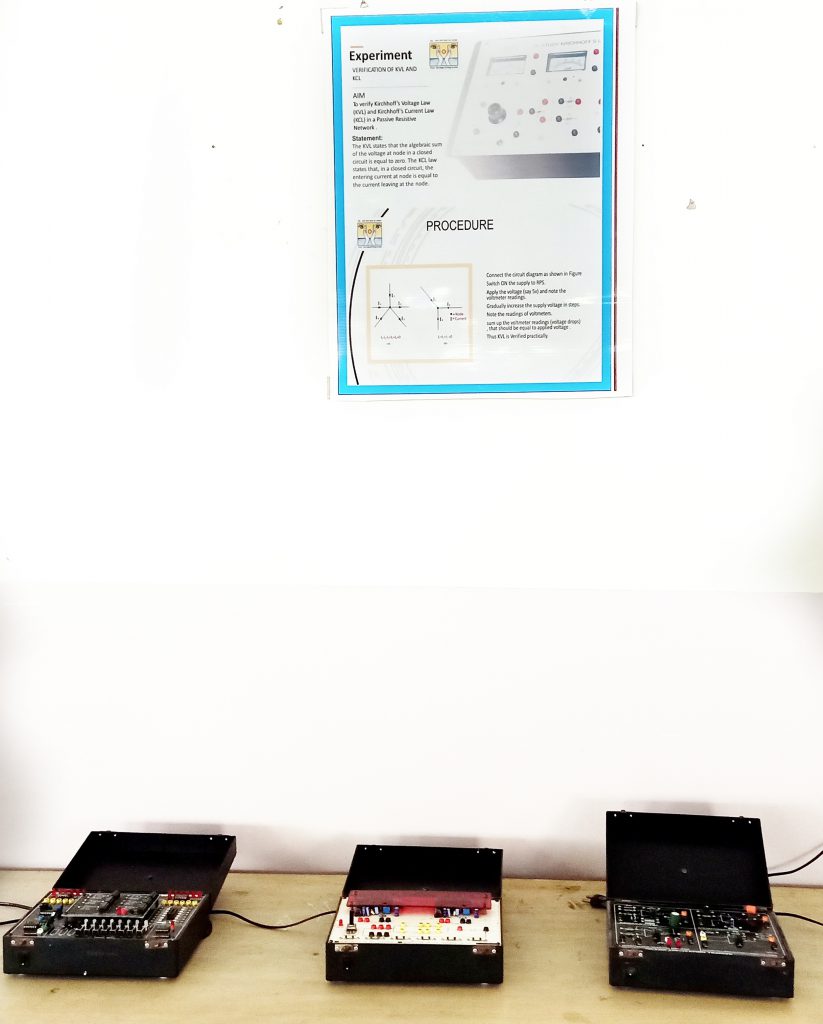
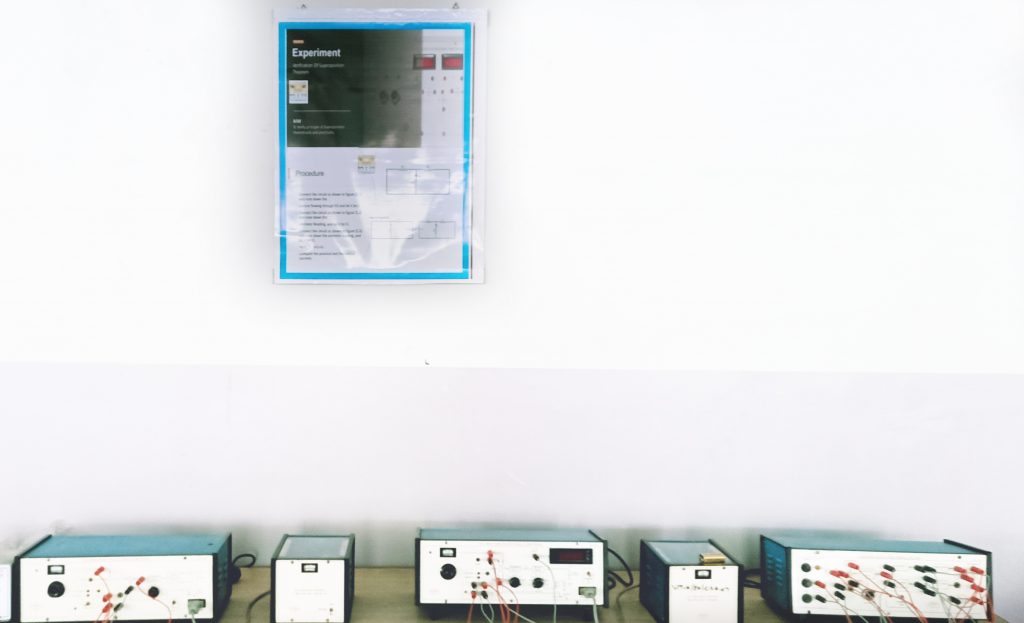
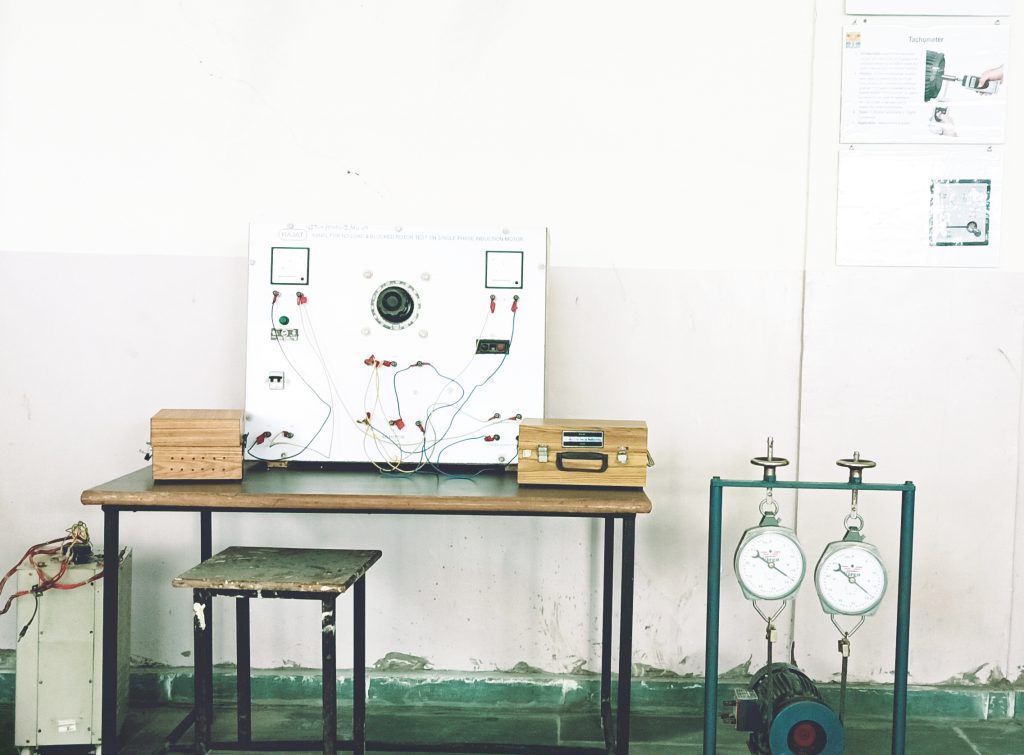
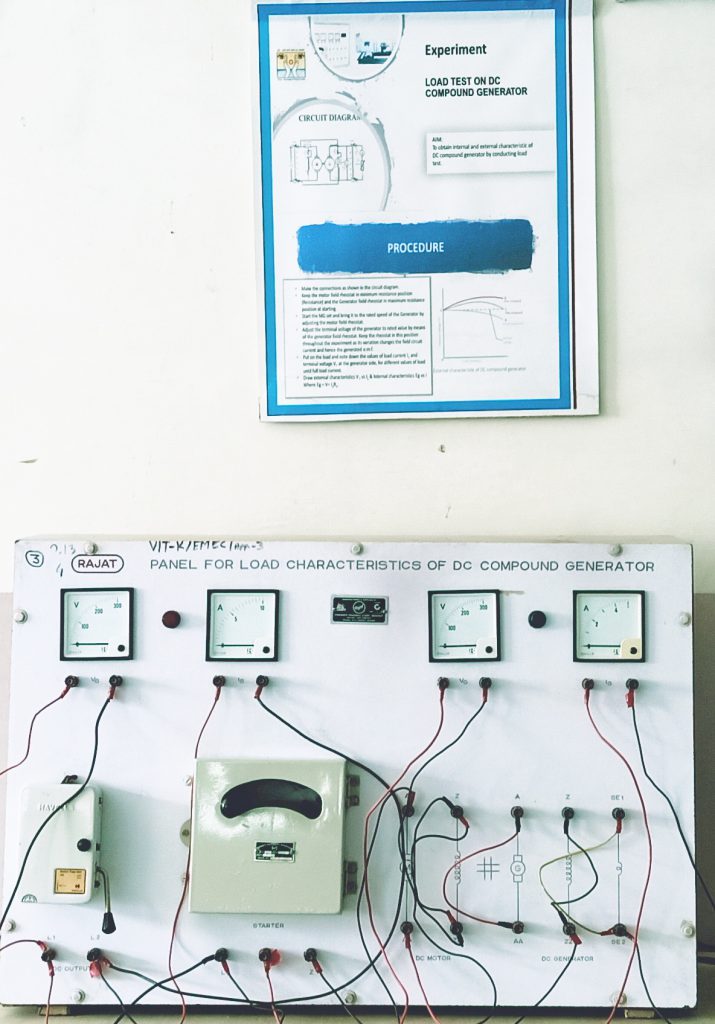
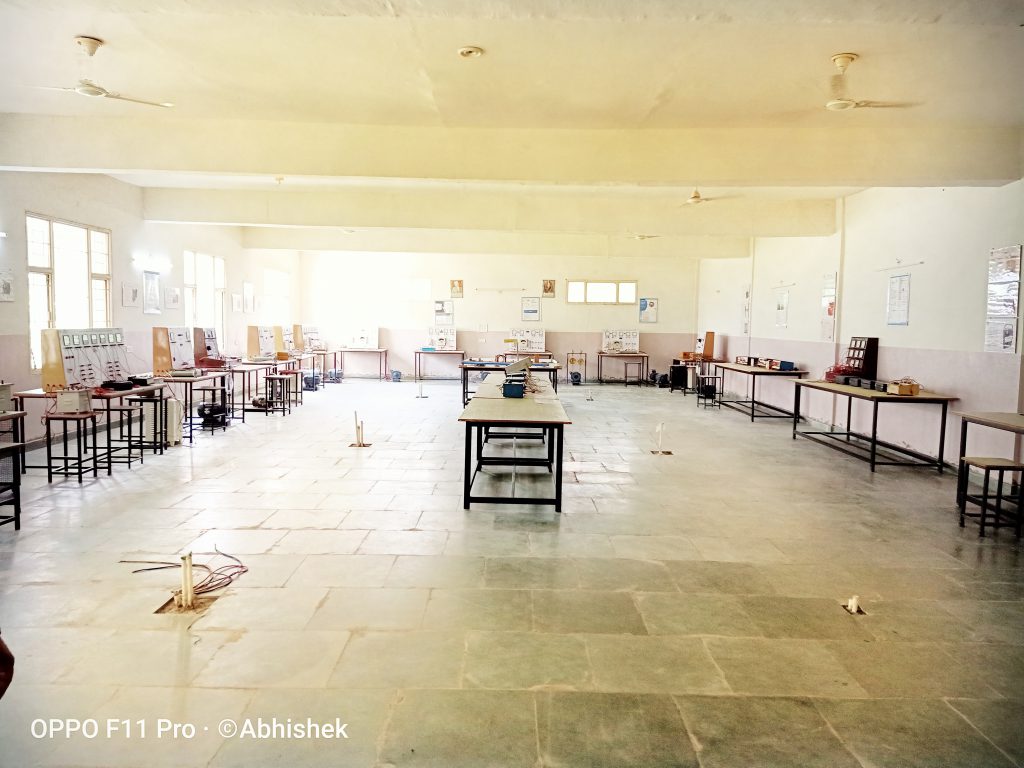
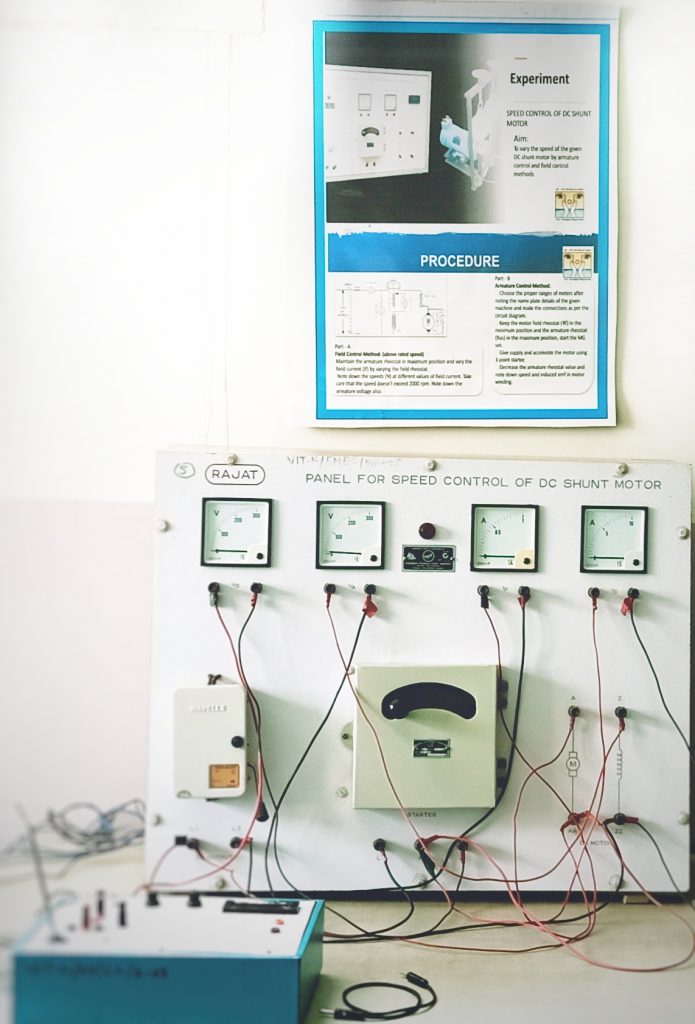

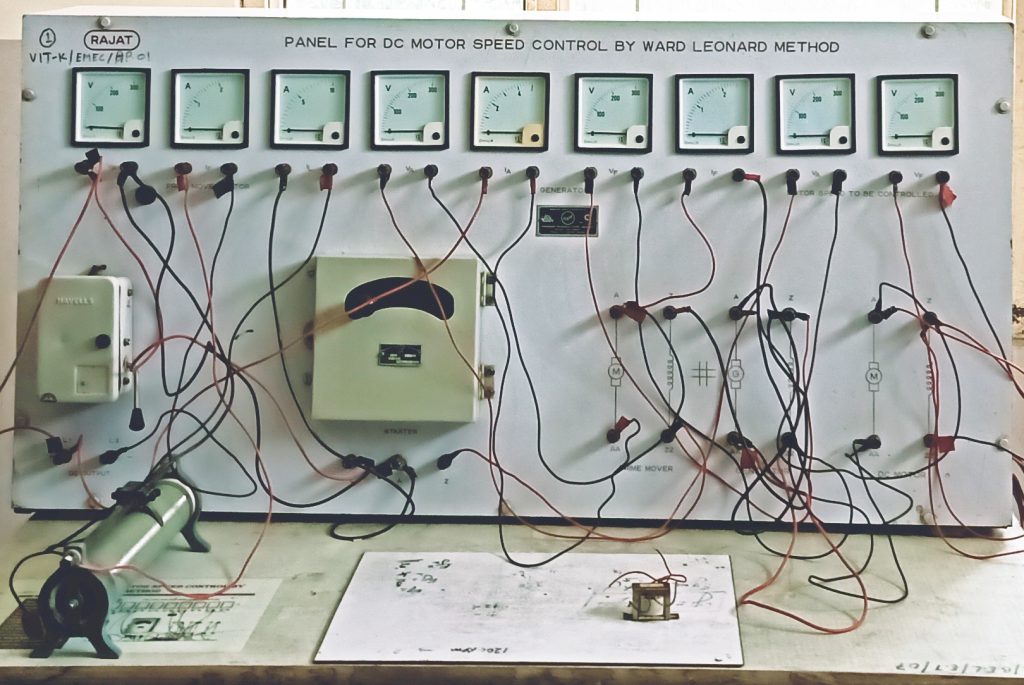
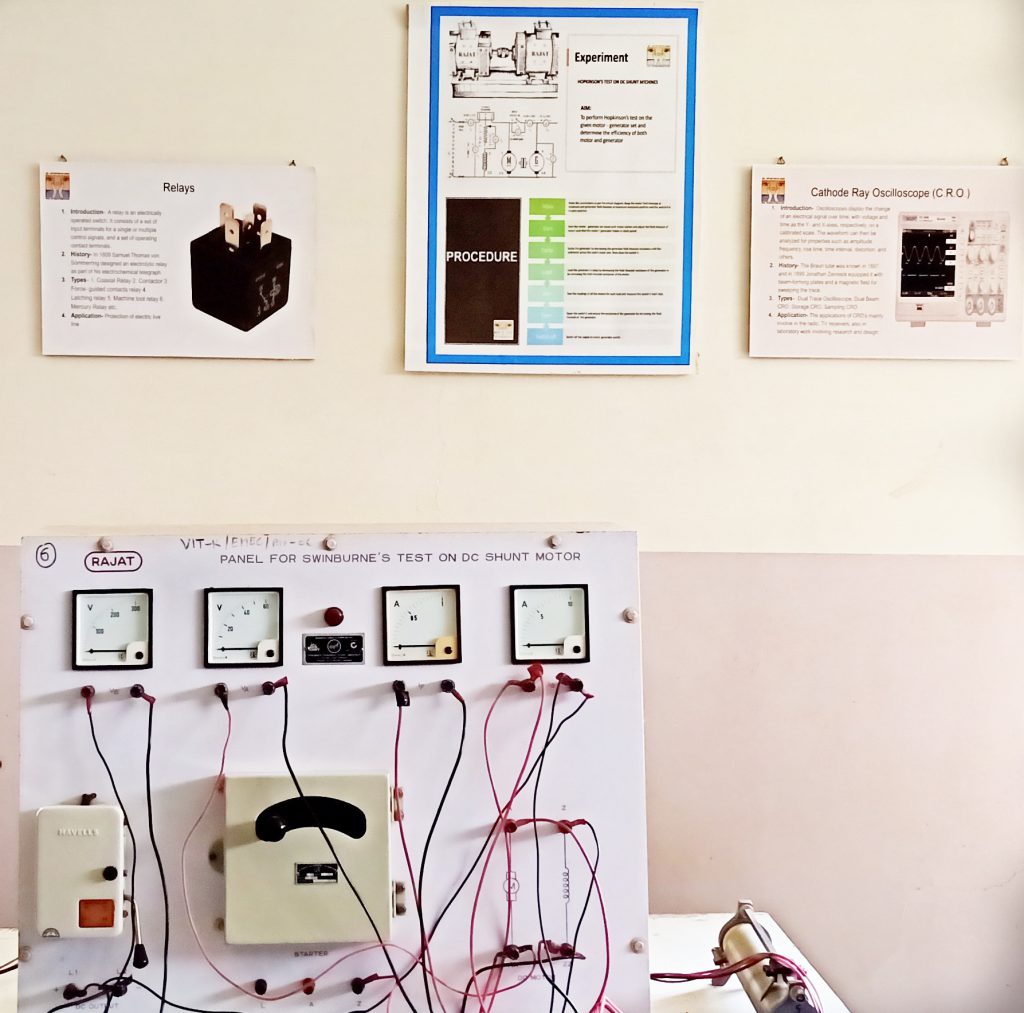
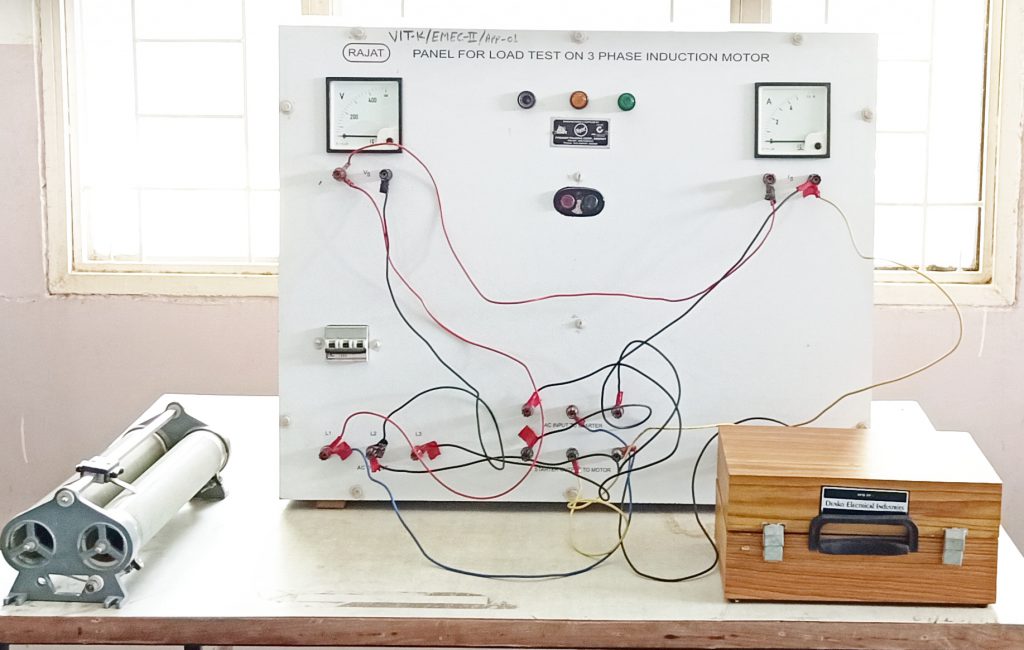
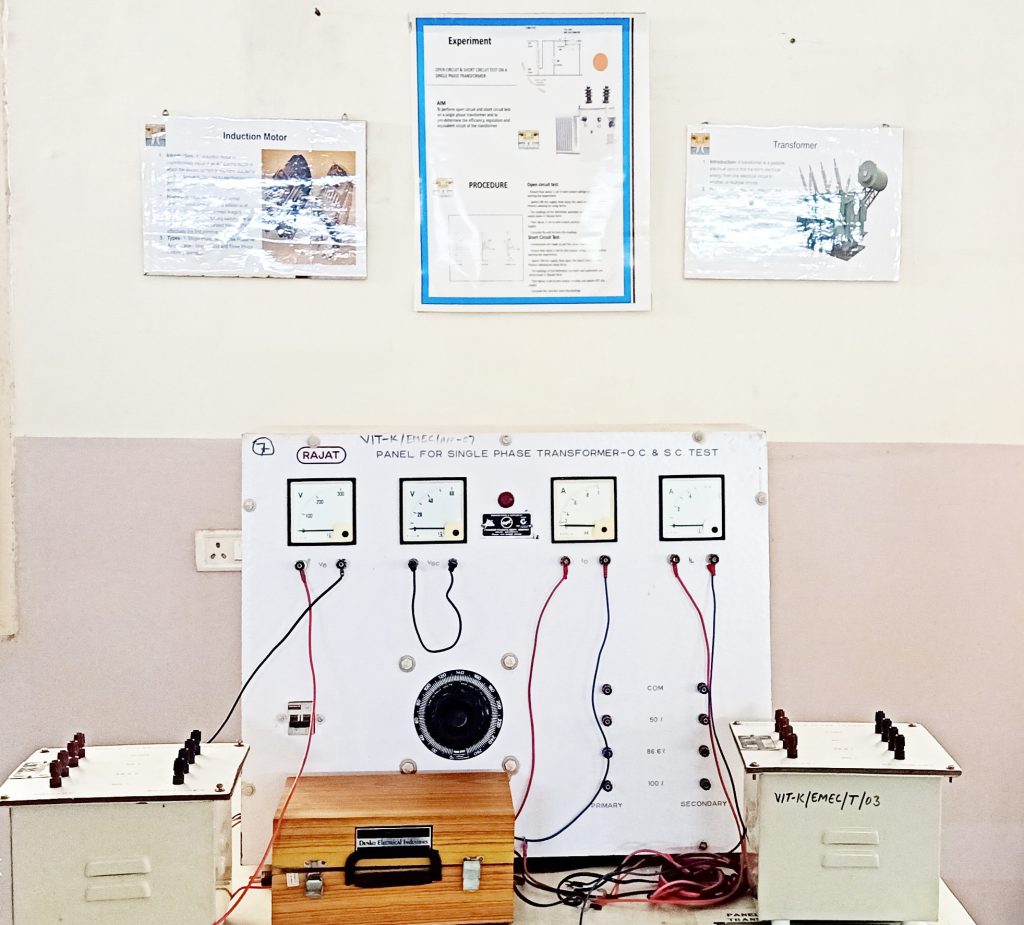

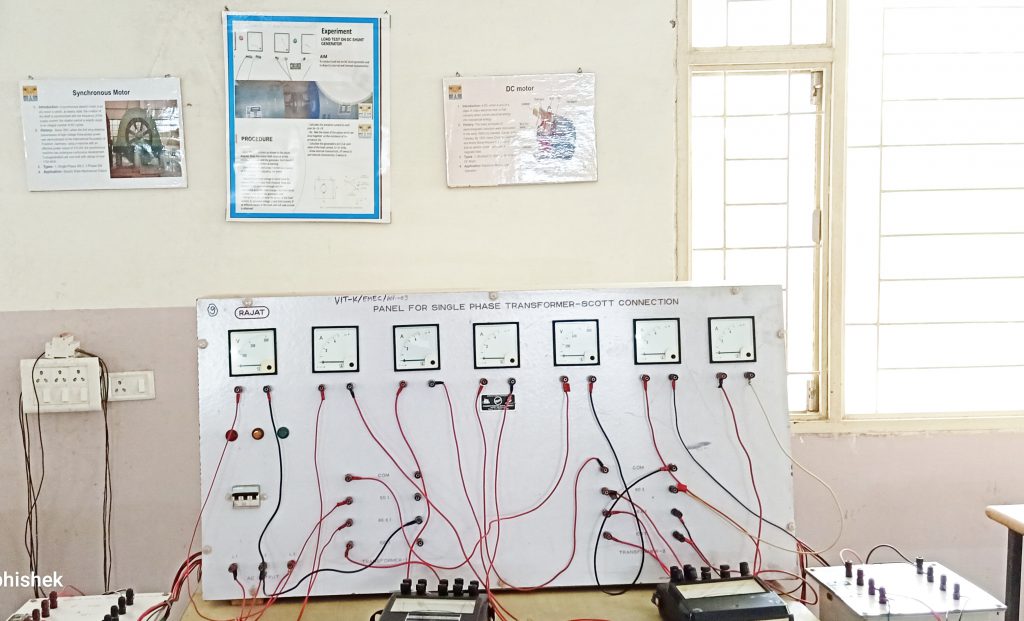

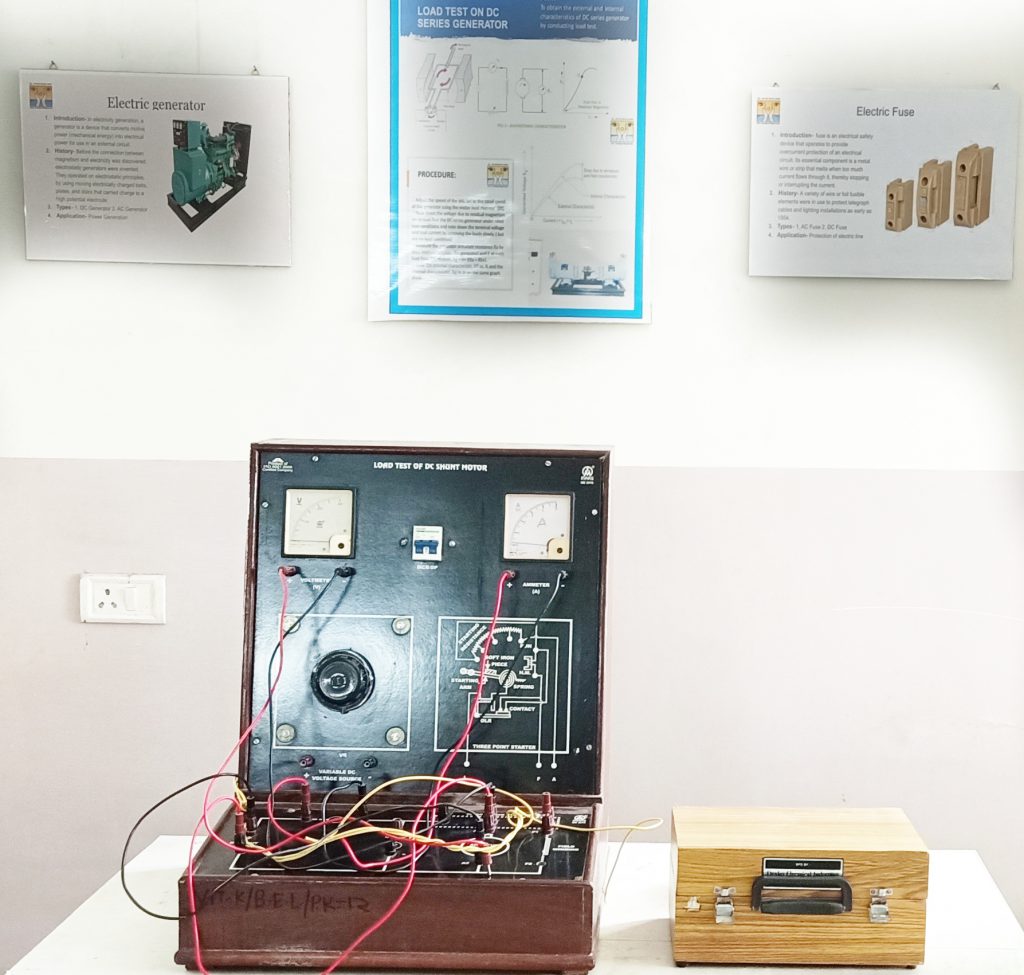
Electrical Engineering Lab Manuals
Job Prospects: Electrical & Electronics Engineer are one of the most sought after Engineers in today’s world. With constant growth and development all around, there is tremendous job opportunity in both Government and Private Sectors.
Here are some typical job titles for Electrical & Electronics Engineers:
• Design Engineer
• Project Engineer
• Engineering Specialist
• Chief Engineer
• Quality Control Engineer
• Software Engineer
• Development Engineer
• Reliability Engineer
• Research Engineer
• Systems Design Engineer
• Field Engineer
• Test Engineer
• Sales Engineer
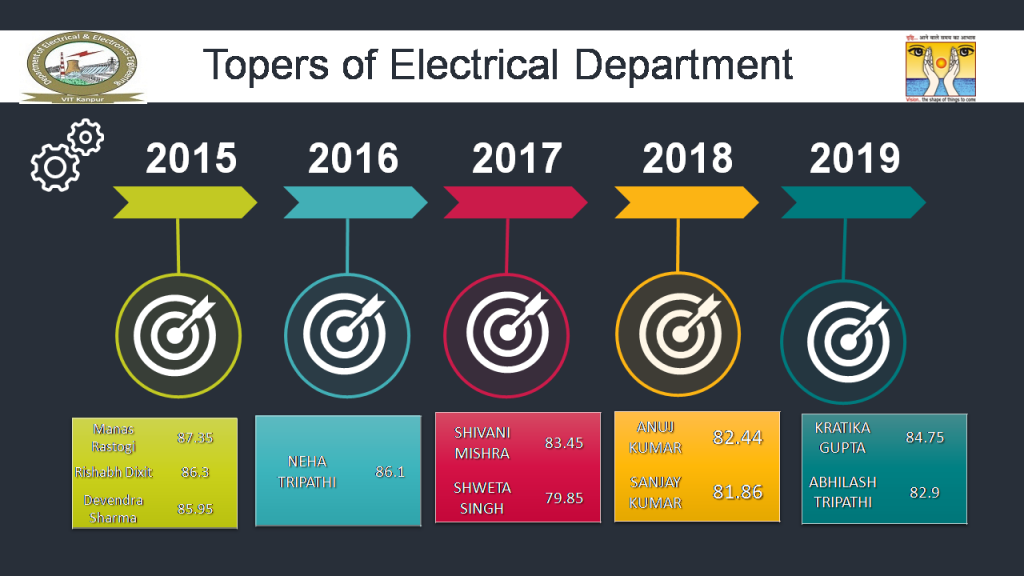
Toppers Of EN Department
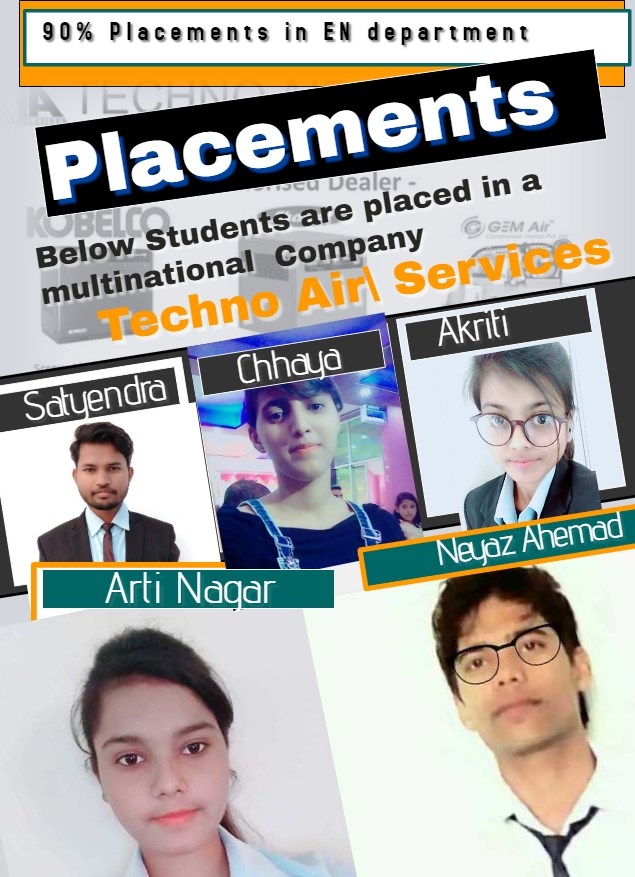
Placements in Session 2019-20
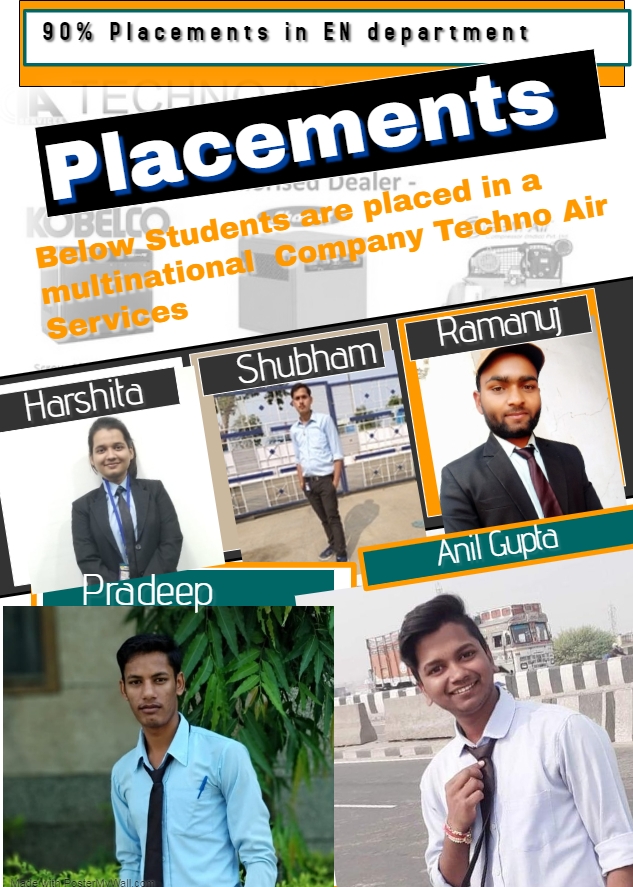
In Session 2019-20 Vision Institute of Technology has organized over 10 placement drives. In each drives Electrical Department students has swept over and 90% students get placed .
Congratulations to our VITians for getting placements in reputed Companies
Role Of Training & Placement Cell


















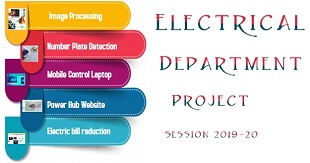
Projects For Session 2019-20

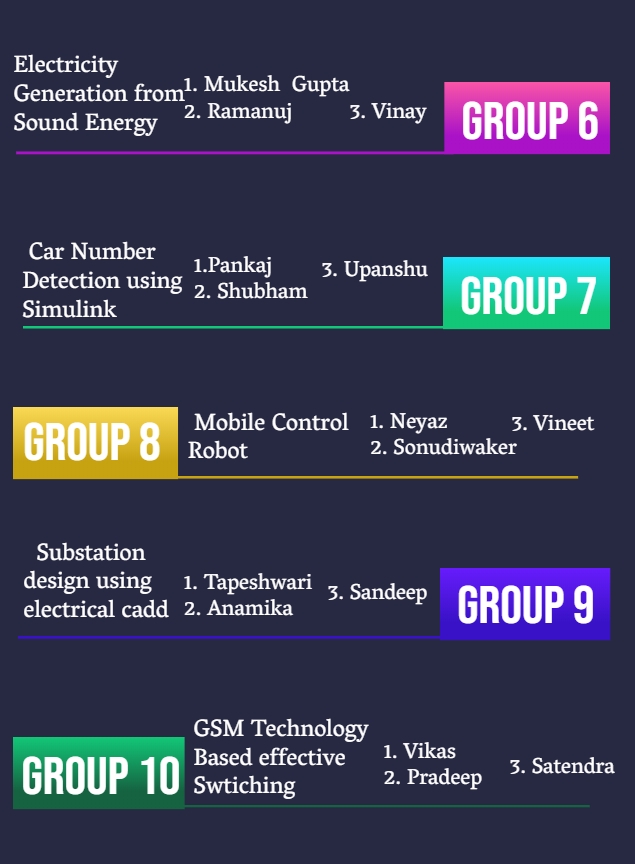
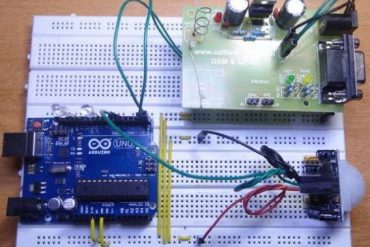
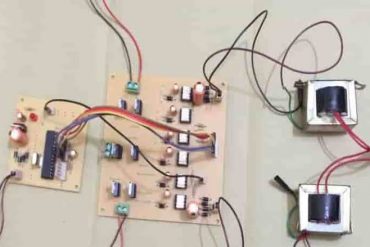
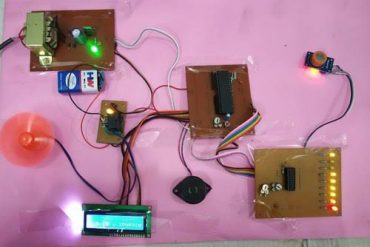
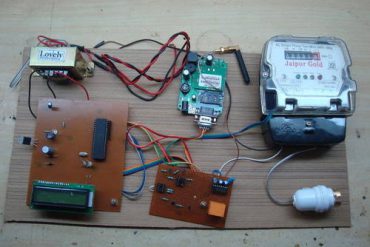
Some Past Year Projects